Tuesday, June 19, 2012

Potential Benefits of Exercise During Chemotherapy and Cancer Treatments

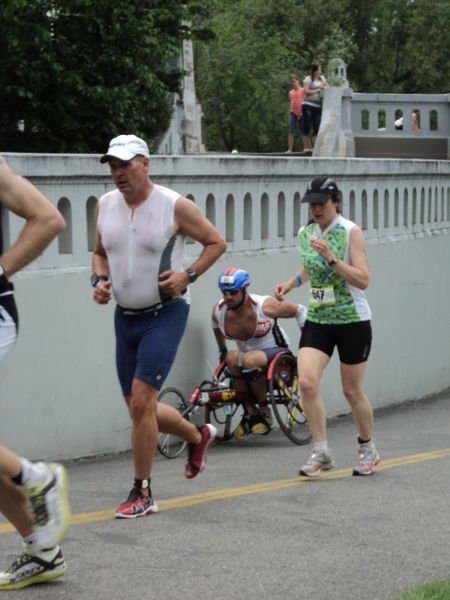
Cancer Survivors and Exercise - Photo by Dlwelsh00 at Wikimedia Commons
Many cancer patients have been encouraged to avoid exercising while receiving chemotherapy, but several recent studies have looked at the potential benefits of home-based and/or instructor-led exercise programs for those in the midst of cancer treatments.

Benefits of Cardiovascular Exercise

The NIH (National Institutes of Health) is conducting the Physical Exercise Adjuvant Chemotherapy Effectiveness Study to help learn more about how exercise may affect those undergoing cancer treatment. Previous studies regarding this issue tended to be small, not randomized, or may have lacked certain aspects of exercise physiology and may have produced inconsistent results, but trends in several recent studies have shown potential benefits, such as:
  • better cardiovascular fitness
  • less fatigue
  • better mood
  • higher rates of functioning
  • stronger immunity
This current NIH study involves a large sample group, a control group, and compares two different exercise programs: one that is home-based without resistance training and the other that includes high intensity exercises and resistance training with supervision. It will be interesting to see how these three groups compare at the conclusion of the study.

Exercise Barriers for Cancer Patients - Photo by Bidgee at Wikimedia Commons
Barriers to Exercising While Receiving Cancer Treatment

Those who were sedentary before being diagnosed with cancer may find it difficult to start an exercise program while receiving treatments, while survivors who were previously physically active on a regular basis may find it difficult to determine an optimal level for workouts that will leave them comfortably challenged. Sedentary groups may be less likely to participate in clinical trials related to exercise, so programs tailored to meet their needs may be lacking in the research.

Those who are receiving chemotherapy and radiation often experience many side effects that could alter a person's ability to fully participate in certain exercises. Some of these side effects include:
  • altered immunity
  • anemia
  • fatigue
  • nausea/vomiting/changes in appetite
  • constipation/diarrhea
  • hair loss
  • dry mouth/throat
  • skin changes
  • pain
  • swelling/fluid retention
  • urination changes
  • memory changes
Group exercise barriers could vary widely. For example, someone who has very low white blood cell counts may be more likely to develop infections if he or she is participating in group exercise classes. Lifting weights and other resistance training might increase edema (swelling) in a survivor who recently had surgery to remove cancer. Someone who has hair loss or other physical changes might hesitate to be around other people. Some group exercise instructors may tend to encourage participants to move to high intensity and high impact moves that might not be safe for someone receiving cancer treatment. Group exercise schedules might also conflict with numerous appointments for treatment.

Although exercising at home would provide for more ability to change one's schedule, home-based exercise programs also have potential barriers. Many people find self motivation to be challenging, and adding cancer treatment to the mix can make that even more difficult. Fatigue can be a vicious cycle. People participating in home-based programs might benefit from feedback to improve positions or performance or to better pace themselves. A cancer patient might be more likely to become dehydrated or fall or become weak while exercising and may not recognize early warning signs that might be noticed by an attentive exercise instructor. Many people receiving chemotherapy may feel isolated, and a home-based exercise program would not provide social interaction with others in the community. Those who are walking at or near their homes might become fatigued more quickly than expected and have a difficult time getting back home.

Safety Tips for Exercising While Undergoing Cancer Treatment © Katrena
Can People Safely Exercise While Being Treated for Cancer?

The answer to that question is best answered by one's personal physician. Although exercise does have numerous potential benefits, any exercise program has risks. Each cancer survivor has a unique history with individual needs, so a personalized exercise program may include various options that take into account one's previous physical activity and personal preferences, present health condition and concerns, access to exercise facilities/equipment and trained instructors, and more.

Find more articles by Katrena at the Fit Tips 4 Life site map.

Sources:

National Cancer Institute Chemotherapy Side Effects Fact Sheet

National Institutes of Health December 7, 2010 BMC Cancer article by Hanna van Waart et. al.  "Design of the Physical exercise during Adjuvant Chemotherapy Effectiveness Study (PACES):A randomized controlled trial to evaluate effectiveness and cost-effectiveness of physical exercise in improving physical fitness and reducing fatigue"

Monday, June 11, 2012

How to Encourage Kids to Exercise and Have Fun Without Competing

Although many children participate in sports and competitive activities for physical exercise, many kids prefer to exercise without without comparing themselves to others. Finding fun and engaging ways to exercise without involving competition may encourage those kids who tend to fall by the wayside in sports while encouraging self-esteem as well as giving more options for maintaining physically active lifestyle.

Have Fun Exercising © Katrena
Fun Ways to Encourage Non-Competitive Exercise

I have had many adults to mention that they disliked physical education and even field days in school. "I was never good at it," many of them claim. From an early age, many people learn that they would be one of the last picked for the team nearly every time. They might not have the natural talent, opportunities to practice, or self confidence of more athletic peers. Those who perform best often reap the benefits while the efforts of the others may be ignored. As a result, many children and teens may avoid group exercise or even all forms of organized fitness into adulthood because they are afraid that others will laugh, that they will fall behind, or that they will somehow fail.

I can relate to these folks. In high school, I was a bench warmer on the basketball team. It didn't matter that I had lost 25 pounds during the summer before – the coach didn't want me to lose the game! I ran track because they never cut anyone who tried out for that team at my school. I was better at algebra than I ever was at playing volleyball.

But I loved and still love to dance! I enjoy a good song and want to get up and move when I hear a good beat. Equipped with this desire, I have found that children and adults can engage in a wonderful non-competitive and often musical workout while enjoying a sense of accomplishment while exercising!

Dancing

Dancing is a form of exercise that many people find enjoyable. Find some great tunes and simply move! Freestyle dancing can bring out one's creativity. Learning the most basic steps of different types of dances can be a great opportunity to study other cultures, songs, and the origin of the related dances. Examples include a wide variety of dances such as:
  • Twist
  • Jitterbug
  • Swing
  • Cha cha
  • Waltz
  • Ballet 
  • Jazz 
  • Tap
  • Tinikling
  • Hula
  • Breaking
  • Hip hop
  • Country line dance
  • Contra dance
  • Square dancing
  • African dance
  • Drumming
  • Latin dance
It often works best to have the kids learn one basic dance step before adding on or pairing with a partner. Start with the simplest steps and give the children a chance to master each one slowly at first. You might challenge them to add more complicated steps, but it is helpful to always give the option to continue at a slower or easier pace. Readers may wish to look at a fun music playlist that my kids have enjoyed.

If I incorporate something like freeze dance, I encourage everyone to continue dancing once the music begins again to keep it fun and to provide more exercise opportunities for the entire group. You can also spark creativity by having the kids to dance like a chipmunk, clown, the principal, rock star, or other zany ideas while playing the game!

Snail Game and Other Fun Kids Exercises - photo by SteGrifo27 at Wikimedia Commons
Follow the Leader

This simple exercise has worked in my cardio classes time and time again. Have the kids to line up while you take the helm with instructions to do whatever the leader does. As you begin walking, move your arms in various ways, such as up/down, swinging side-to-side, circling, clapping hands, etc. Move the line in a snake-like fashion to add interest. Add leg options such as lifting your knees, walking on your toes, hopping, skipping, galloping, walking like a penguin, etc. This can be a great way to eventually move the group into a circle or to line them up to leave the room.

Echoing-type games also work nicely, such as going on a bear hunt or singing active repeater songs like Boom Chicka Boom. This can also provide a wonderful opportunity for creativity. Have the kids "play" a tune by hopping on imaginary piano notes on the floor together.

The snail is an activity that the kids request over and over. Start in a circle with everyone holding hands. Release one child's hand while everyone else continues to hold hands throughout the game. Begin to slowly circle around on the inside, making smaller and smaller circles. Once to the inside, turn around and circle your way back to the outside while catching the last child's empty hand – the group ends up in a circle facing outward. Repeat the process in the opposite direction to return back to the starting point. Remind the kids to go slowly and to avoid jerking, pulling, or running during the game.

Jump Rope and Jumping Jacks to Keep Fit - Photo by Todd Macdonald from Wikimedia Commons
Circuits and Stations

Exercise skills stations and circuits work well, especially if you have a fairly large group of children. Demonstrate or explain each skills station, offering low impact alternatives for each. Ensure that the kids know which direction to move at the signal to move – I ask them to point to the next station before beginning to make sure that all the children understand how the circuits will work.

Music can add a fun element to this format as the kids visit each station for a designated period of time and then switch to the next. After the kids have had the chance to do exercises at each station, I add one last opportunity for the kids to choose their favorite circuit station. Some of the exercises that I have used include:
  • Jumping jacks
  • Abdominal crunches
  • Pushups
  • Mountain climbers
  • Squats
  • Lunges
  • Knee raises
  • Kicks
  • Jump rope
  • Jogging in place
  • Freestyle dance (often the favorite choice of many of the kids)

A similar format that can work well with groups of kids is to place different colors around the edge of the room. Select a color and a specific exercise to perform at that station. For example, Hop five times at purple. Add an additional challenge by making this into a Simon Says-type game.

Imaginary Sports and Games

Everyone can shoot the perfect freethrow in an imaginary basketball game! I have found that many kids love to pretend to dribble and shoot a basketball, swing a golf club, spike a volleyball, serve a tennis ball, row a boat, swim various strokes, and more. You can also add a bit of humor and added exercise by shooting a few "Granny" shots, adding a goofy victory dance, or even putting the kids on a pirate ship where they can practice swabbing the deck, dancing a jig, climbing the crow's nest, or walking the plank.

Obstacle Courses for Kids - Photo by Travis D. Eisele from Wikimedia Commons
Obstacle Courses and Team Building

Obstacles courses can be made with a variety of objects that encourage kids to maneuver over, under, around, and through various areas. You might create a sort of circuit where the kids remain in one area of the obstacle course and practice until the signal to move to the next area.

Pairing kids can build teamworking skills and may help kids to feel a little less intimidated and provide a platform for encouraging others. Having the entire group to work together toward a common goal can give a sense of accomplishment as the kids encourage and help one another, such as passing a hula hoop around a circle while all the kids keep holding hands or playing parachute games.

Kids Learning Yoga - photo by Daniel Case at Wikimedia Commons
Yoga Can Build Strength and Self-Confidence

I have found that even preschoolers are drawn to yoga. As kids learn various breathing techniques, balance positions, stretches, and strengthening moves, they often begin to shine from within. Many children who excel in the cardio activities may struggle to relax, but this is often where kids may begin to find a way to strengthen their hearts and souls from within.

Encourage Kids to Get Fit and Have Fun

Exercising with children can be a renewing experience for everyone. Helping kids to realize that they can enjoy physical activities without competing may be a life-changing event if they choose to incorporate healthy lifestyle choices into their daily living for years to come.

Sunday, June 3, 2012

Simple Seated Leg Exercises to Help Circulation and Flexibility

Can't stand to exercise? There are many ways to exercise while remaining seated!

How to Improve Leg Strength and Flexibility © Katrena
Many people find it uncomfortable to travel, work behind a desk, or stay in a seated position for long periods of time because their legs begin to cramp, ache, have changes in sensation, and other unpleasant symptoms. It is a good idea to check with a healthcare provider before leaving for a trip to address any risk factors for blood clots or other health conditions that could turn a dream vacation into a nightmare and to determine which exercises are safe for one's own health status.

Plan for regular breaks in which you can stand, stretch, walk, and exercise if possible. There are, however, quite a few leg exercises that you can do while seated. Many of these exercises require very little space, as you can see from the photos below.

Ensure that you are seated in a sturdy chair or seat that will not slide or tip easily. A chair that is the correct height will allow both feet to rest comfortably and completely on the floor. Develop stronger core muscles by sitting slightly forward so that your back is not against the back of the chair. Sit up as straight as possible with your shoulders back and down while performing these exercises to improve one's posture muscles as well.

Exercises such as these should be comfortable but perhaps challenging. Listen to your body and stop or modify any activity that feels uncomfortable. Many people find that their strength, balance, flexibility, and range of movement may improve by performing exercises such as these on a regular basis.

Seated Calf Exercise © Katrena
Seated Shin Exercise © Katrena
Toe Raises and Heel Lifts
  1. Start with the feet resting on the floor about shoulder-width apart. 
  2. Lift the heels as high as comfortably possible while keeping the toes on the floor. 
  3. Lower the heels back to the floor.
  4. Lift the toes as high as comfortably possible while keeping the heels on the floor.
  5. Lower the toes back to the floor.
  6. Repeat several times.
Seated Ankle Exercise © Katrena
Increase Flexibility in the Legs © Katrena
Foot Inversion and Eversion
  1. Begin with the feet resting on the floor about shoulder-width apart.
  2. Lift the inside of the feet while keeping the outside of the feet in contact with the floor, letting the knees come naturally and comfortably out to the side.
  3. Return to the starting position.
  4. Lift the outside of the feet while keeping the inside of the feet in contact with the floor, letting the knees come closer together.
  5. Return to the starting position.
  6. Repeat several times.
Exercises to Help Balance © Katrena
Leg Exercises You Can Do While Seated © Katrena
Heel Circles
  1. Place both feet on the floor about shoulder-width apart.
  2. Lift one heel and begin to move that heel around in a circular motion.
  3. Reverse the rotation.
  4. Repeat on the other foot.
Simple Leg Exercises © Katrena
How to Improve Leg Strength © Katrena
Leg Exercises for Traveling © Katrena
Strengthen Lower Legs © Katrena
Heel/Toe Walk Out and In
  1. Start with both feet on the floor about shoulder-width apart.
  2. Lift both heels while keeping the toes on the floor and turn the heels out as far as possible.
  3. Place both heels on the floor.
  4. Lift the toes and turn them out as far as possible.
  5. Repeat until your feet are as far apart as possible while still comfortable.
  6. Reverse the move turning the heels/toes inward until they are touching.
  7. Repeat several times.
Chair Exercises for Legs © Katrena
Heel Presses
  1. Begin with both feet on the floor about shoulder-width apart.
  2. Lift one foot off the floor while keeping the other foot on the floor.
  3. Straighten the lifted leg in front of you while lowering the heel to the floor.
  4. Return the first leg to the starting point.
  5. Repeat with the other leg.
  6. Continue alternating legs several times.
Stretch and Strengthen Legs © Katrena
Toe Presses

This is the same exercise as heel presses with the toes pointed.

Increase Leg Strength © Katrena
Heel Presses to the Corners

Perform the heel presses exercise to the outer corners rather than straight ahead.

Quick and Easy Leg Exercises © Katrena
Toe Presses to the Corners

This is the same exercise as heels to the corners with the toes pointed.

Quick and Easy Leg Exercises © Katrena
Seated March
  1. Start with both feet on the floor about shoulder-width apart.
  2. Alternate lifting one foot slightly off the floor while keeping the other on the floor as if you are walking in place.
How to Build Stamina © Katrena
Seated Run
This is the same exercise as the seated march at a faster pace while keeping the feet closer to the floor.

How to do a Seated Step Touch © Katrena
Seated Exercises to Increase Heart Rate © Katrena
How to Exercise When You Can't Stand © Katrena
Chair Exercises to Help Circulation in Legs © Katrena
Step Touch
  1. Begin with both feet on the floor about shoulder-width apart.
  2. Lift the right foot and place it on the floor several inches to the right of center.
  3. Lift the left foot and place it on the floor beside the right foot.
  4. Lift the left foot and place it on the floor several inches to the left of center.
  5. Lift the right foot and place it on the floor beside the left foot.
  6. Repeat several times.
Seated Quad Exercise © Katrena
Knee Lifts
  1. Begin with both feet on the floor about shoulder-width apart.
  2. Lift the right knee up and toward the chest while maintaining good posture with the upper body. Place your hands under each lifting knee if needed.
  3. Lower the right knee back to the starting position.
  4. Repeat with the left knee.
  5. Continue alternating for several cycles.
How to Help Stiff Joints © Katrena
Corner Knee Lifts

This is the same exercise as the knee lifts except you will lift the knee out and in toward the side of the body.

 Seated Leg Exercise Variations and Tips

One's body tends to become accustomed to exercises after several weeks, so it is helpful to try variations to keep it interesting, active, and effective. You might experiment with several different options, such as:
  • Changing the speed, making sure that the exercises are still controlled and not painful.
  • Trying doubles, doing two (or four) on each side before changing to the other side.
  • Adding a variety of arm movements – the heart rate will tend to increase with higher arm positions. Avoid making tight fists while exercising.
  • Try exercising to music, ensuring that the tempo is safe and works well with the moves. Look for music in the mid- to high-120s beats per minute.
Many group exercise chair classes are offered at gyms, senior centers, community buildings, etc. It can be quite helpful to try some classes in which you can learn a variety of safe moves, get feedback on technique, and meet others who also wish to maintain or improve one's physical health.

Readers may wish to get tips before trying a first group exercise class. Find more of my fitness articles at the Fit Tips 4 Life site map.

Wednesday, May 23, 2012

Great Exercise Playlist – Old and New Songs for a Fun Workout

I enjoy a lot of the older songs with great beats and fun lyrics and remember sitting in my bedroom sifting through my mom's records that featured the Everly Brothers, Elvis, Dolly Pardon, and many others.

If my kids and I want to get up and dance while listening to a playlist, I know I've got a keeper! Music can add a spark to a workout and may even motivate someone to push harder and actually enjoy getting a bit of exercise. The younger generations may also learn some songs from years gone by and perhaps research the vocalists and/or bands who made them popular.

This list mixes the old and new as well as including various speeds so that I can incorporate a variety of workout styles. I've done old school floor aerobics, kickboxing, dance, sculpt, pilates, and yoga with this particular list.

There's nothing like working out for an hour with a smile on your face as you think, oh yes...I remember that song! And it's just as cool if the kids come running into the room saying, "Wow, is that Elvis...I love that song!"

Jerry Lee Lewis Can Make a Piano Rock - Photo by Evette from Wikimedia Commons
Whole Lotta Shakin' Going On
You're The One (That I Love)
Pinball Wizard Has Fun Beat and Adds a Bit of Nostalgia - Photo from Wikimedia Commons
Pinball Wizard
Rhythm Nation
You're Still the One
What a Wonderful World (Power Music Mid-Tempo Power Mix 14 has a version with a faster tempo – I would put the slower version at or near the end)
Love Songs Abound - Photo by Calum Redhead at Wikimedia Commons
Your Love Keeps Lifting Me Higher (nice, fun version on SilverSneakers Silver Soul Volume 13)
Edge of Glory
Run to You
Break My Stride
Elvis Songs Still Alive Today - Photo by Ollie Atkins at Wikimedia Commons
All Shook Up
Brown Eyed Girl
Wonderful, Merciful Savior

I hope this play list brings back some fun memories, encourages you to listen to a few, and perhaps gets you up to dance!

Find more playlists and fitness-related articles at the Fit Tips 4 Life site map.

Sunday, May 6, 2012

Does Sleep Play a Role in Weight Gain and Weight Control?

Weight Gain and Sleep Patterns - Photo by Ed Yourdon at Wikimedia Commons
Can sleep play a role in patterns of gradual, long-term weight gain? According to several studies, getting an appropriate amount of sleep tends to be associated with less weight gain over time. Both long-term lack of sleep and sleeping more than a normal amount of time seem to have an association with long-term weight gain.

Sleeping Too Little or Too Much Associated With Weight Gain

According to a 2011 New England Journal of Medicine study on long-term, gradual weight trends, people may be less likely to gain weight if they average sleeping six to eight hours in a 24-hour period. Those who tended to sleep less than six hours and those who averaged sleeping more than eight hours tended to gain more weight over time.

An article in the Journal of Sleep Research found that women (ages 40 to 60) who gained 5 kg or more in a five to seven year period tended to either have short or long sleep durations, but men studied did not have the same correlation. A study published in the International Journal of Obesity & Related Metabolic Disorders found that only previously obese women tended to have weight gain associated with eating at night.

Sleep Cycle and Circadian Rhythms and Weight Gain - Photo by ceridwen at Wikimedia Commons
Less Sleep May Lead to Long-Term Weight Gain

One might think that less sleep would indicate that people are more active and have a higher metabolism; however, the Journal of Medicine study cited the following possible contributing factors for weight gain in those who tended to sleep less than six hours:
  • Less sleep is associated with altered leptin and ghrelin.
  • Those who stay up may feel subjectively hungry.
  • Late-night snacks often include high-calorie and/or refined-carbohydrate foods.
Additional studies have linked sleep deprivation with obesity. Exposure to light may seem to reset the body's natural circadian rhythm. Appetite regulation seems to become more difficult for those who get inadequate sleep, and people may find it more difficult to lose fat when experiencing long-term sleep deprivation.

Too Much Sleep May Lead to Weight Gain

Sleeping more than eight hours was associated with weight gain in the New England Journal of Medicine study. Obesity may be accompanied by obstructive sleep apnea, which is often associated with poor quality sleep, daytime sleepiness and/or narcolepsy. Sleep disturbances are sometimes associated with stress, which is another factor that seems to play a role in weight gain in some populations.

Some people tend to gain weight during winter months, which may be related to a number of factors such as holiday eating and fewer options for exercising outside, but longer nights and shorter days may also mean changes in sleep patterns and circadian rhythms.  Symptoms of seasonal affective disorder (SAD), also called winter depression, may appear when days are shorter. Although the average long-term weight gain during winter months tends to be approximately one pound per year, people who are already overweight were more likely to gain five pounds, according to an NIH article.

Sleep and Obesity - Is There a Connection? - Photo by Bill Branson (NCI) at Wikimedia Commons
Connecting Weight Gain and Altered Sleep Cycles

Weight gain is a complex issue with many contributing factors, one of which may be sleep cycles. Several studies have shown that people who get too little sleep and those who tend to sleep more than normal may be more likely to gain weight. Those who have sleep disturbances such as insomnia and hypersomnia may benefit from an assessment by a healthcare professional who may be able to discover a variety of reasons for sleep disturbances and help one achieve a more normal sleep cycle. Perhaps getting good quality sleep for six to eight hours on a regular basis may help one to lose or avoid unwanted pounds.

Readers may also wish to read Yawning During Exercise? The Possible Causes Might Surprise You. Find more of my articles at the Fit Tips 4 Life site map.

Sources:

  • Environmental Health Perspectives January 2010 (vol. 118, issue 1) article by Angela Spivey "Lose Sleep, Gain Weight"
  •  International Journal of Obesity & Related Metabolic Disorders (October 2004, vol. 28) article by G.S. Anderson et. al. "Night eating and weight change in middle-aged men and women"
  • Journal of Sleep Research June 2011 (vol. 20, issue 2) article by Peppi Lyytikäinen "Association of sleep duration with weight and weight-gain: a prospective follow-up study."
  • National Institutes of Health March 22, 2000 article "Holiday Weight Gain Slight, But May Last A Lifetime
  • National Sleep Foundation online article "Depression and Sleep" accessed May 6, 2012
  • The New England Journal of Medicine June 23, 2011 article by Dr. Dariush Mozaffarian et. al. "Changes in Diet and Lifestyle and Long-Term Weight Gain in Women and Men"

Tuesday, April 24, 2012

Water and Sodium Levels During Exercise – Can You Drink Too Much Water?

People who are exercising vigorously and/or in hot environmental conditions may lose as much as three liters of water and 3.5 grams of sodium per hour. Many people now drink large amounts of water to avoid dehydration and an increase in core body temperature while exercising, but sometimes this approach may do more harm than good.

Can a person drink too much water while exercising vigorously? What are the risks for developing and symptoms of exercise-associated hyponatremia (EAH)? How can people treat this potentially serious imbalance? Learn more about how to stay safe during rigorous and extended exercise.

Vigorous Exercise Can Lead to Sodium Loss - Photo by Dontworry at Wikimedia Commons
How Much Water Should You Drink During Exercise?

Recommendations for re-hydration during exercise have changed many times over the years. Early recommendations ranged from discouraging any intake of fluids during exercise to drinking as much as possible. Much of the current research is leaning toward a common sense approach in which people who are exercising should drink when thirsty to prevent dehydration, adjusting fluid intake for variables such as environmental temperatures, clothing, and the intensity of the workout.

Water has been hailed as a great choice of beverage, particularly for those who are attempting to decrease calories and lose or maintain weight. Many people are turning to water as a beverage of choice – bottled water sales tallies second only to soft drinks in the United States. WebMD offers an informative quiz on water that people may find very helpful.

Some studies have indicated that athletes may be more likely to drink an increased amount of fluids if they have added flavorings. The FDA now requires manufacturers of flavored water, water beverages with added electrolytes and/or nutrients, and similar water-containing beverages to list ingredients on the labels and to produce these beverages under sanitary conditions with quality control processes in place. Some sources indicate that people who are exercising may benefit from drinking some fluids with electrolytes added, but more research is needed in this area.

Over the years, previous endurance limits have been pushed, with many athletes going greater distances and attempting harder forms of exercise than ever before. Some folks are pushing their own limits by making fitness commitments to increase their activity drastically, and some careers place people in hot areas while exerting much energy over extended periods of time.

Although a more active lifestyle has the potential to improve one's overall fitness level, extremes in exercise combined with large amounts of water intake can be dangerous and even deadly if a person's sodium level drops to unsafe levels.

Causes of Hyponatremia Related to Exercise - Photo by Kencf0618 at Wikimedia Commons
What Causes Low Sodium Levels During Exercise?

Many folks know that exercise can cause blood sugar levels to drop, particularly in someone who has diabetes; however, exercise, particularly if the exercise is rigorous, can also change electrolyte levels. Electrolytes are minerals in the blood that carry an electrical charge. Examples of electrolytes in the body include sodium, potassium, magnesium, and calcium. Electrolytes in the blood can affect acid/base balance, fluid status, muscle functions, and many other vital body processes.

Serum sodium, the level of sodium in the blood, is an electrolyte that can be affected by exercise, water replacement, potassium levels, and several other factors. Normal ranges for serum sodium is 135 to 145 milliequivalents per liter (mEq/L). Table salt is sodium chloride, and many people are trying to lower dietary sodium with good reason. According to the CDC, many Americans eat a diet much higher than the upper limits of  2,300 mg/day; the recommended limit for sodium is 1,500 mg/day for those with hypertension or high risk for complications related to a diet high in salt.

Although too much salt can cause many long-term health problems such as high blood pressure, a sudden drop in serum sodium, called hyponatremia, can quickly become a medical emergency in the short term. Sodium levels can decrease via sweating when a person exercises vigorously or continuously over a long time, but the drop in levels appears to be more related to drinking large amounts of water, the body's inability to excrete the excess water by urinating, or a combination of those factors.

Exercise-associated hyponatremia (EAH) may also be called:
  • Fluid overload
  • Water intoxication
  • Exertional hyponatremia
  • Exercise-induced hyponatremia

Risks for Exercise-Associated Hyponatremia - Photo by U.S. Army at Wikimedia Commons
Who is at Risk for Exercise-Associated Hyponatremia?

Most people who drink water or sports drinks while exercising do not experience unusually low sodium levels, but others may experience moderate or even severe drops in serum sodium. Several people tend to be more likely to develop a dangerous drop in sodium levels associated with exercise, including:
  • Women (perhaps due to size, an increased likelihood to heed recommendations to drink more fluids, or genetic factors)
  • People who have smaller bodies and lower body weight
  • Folks participating in continuous exercise over an extended period of time
  • Those exercising in warm environments, particularly if the person is not acclimated to the warmer temperatures (although some athletes may experience hyponatremia while exercising in cooler environments as well)
  • Those who drink large amounts of water before and/or during exercise (some have experienced hyponatremia when hydrating with fluids with added electrolytes)
  • Slower athletes (probably due to added time exercising in order to finish the course and perhaps the intake of additional fluids during that time)
  • Those with certain pre-existing health conditions such as people who are not able to excrete fluids efficiently or those who excrete higher than normal amounts of sodium in sweat, such as someone who is a carrier of the cystic fibrosis gene
  • People taking certain medications that decrease sodium levels
Symptoms of Water Intoxication - Photo by Ceccomaster at Wikimedia Commons
What are the Symptoms of Exercise-induced Water Intoxication?

Many of the symptoms of exercise-associated hyponatremia result from fluid overload in the brain as brain cells tend to swell in an effort to compensate for the electrolyte imbalance. Unfortunately, many symptoms are non-specific and could be related to other exercise-related changes, such as a drop in blood sugar or dehydration.

Hallmark signs that the symptoms are more likely to be related to hyponatremia instead of other factors include:
  1. The person has been drinking large amounts of fluids.
  2. The person will typically experience weight gain during and/or at the conclusion of the athletic activity.
  3. The person may become bloated or puffy around the ankles, fingers, and/or face. If the fluid settles in the lungs, pulmonary edema may result in which the person may experience coughing and shortness of breath that is worse if the person lies down.
Signs and symptoms of EAH are often related to swelling in the brain and may include:
  • Fatigue and/or lethargy
  • Stumbling or lack or coordination
  • Muscle cramps, spasms, or weakness
  • Nausea and/or vomiting
  • Slurred speech
  • Headache
  • Changes in mental status
  • Confusion or strange behavior
  • Seizures
  • Coma
Sodium levels do not necessarily correlate with the severity of symptoms with hyponatremia, but levels higher than 128 and below 135 mEq/L are less likely to result in swelling of the brain than levels below 128 mEq/L with resulting serious signs and symptoms. According to a 7/15/2005 Sports Medicine article, an athlete with a serum sodium level of 87 mEq/L survived while others with levels of 117 and 122 mEq/L died, indicating that the sodium level may not necessarily predict the outcome of this medical emergency. Symptoms also seem to be related to how quickly the sodium levels drop and tend to be more pronounced in those who are overhydrated rather than dehydrated.

Few people would have access to laboratory equipment used to measure serum sodium levels while exercising, so recognizing early signs and symptoms and seeking proper emergency care could be a life-saving measure for an athlete with dangerously low sodium levels. Symptoms of hyponatremia can progress quickly and have the potential to lead to serious symptoms, including death.

Treatment for Low Sodium - Photo by Danny Hayes U.S. Navy at Wikimedia Commons
How is Low Sodium Caused by Exercise Treated?

Prevention of hyponatremia can be quite complex. Most people participating in exercise do not exercise with such intensity or duration to necessitate preventive steps. Those who are at risk for EAH or who have experienced EAH in the past should speak with a qualified healthcare professional regarding an individualized preventive plan, which might include a variety of suggestions, such as:
  • Exercising at a less intense level
  • Exercising for shorter periods of time
  • Decreasing the amount of fluids ingested before, during, and after exercise while being careful to avoid dehydration
  • Drinking or eating electrolyte replacements specific to that person's needs
Because the symptoms of hyponatremia are often non-specific, many people mistakenly encourage an athlete with hyponatremia to drink more water. This only adds to the problem by adding to the fluid overload and dropping the serum sodium levels further.

Someone experiencing symptomatic exercise-associated hyponatremia should seek emergency medical care and avoid drinking additional fluids. Cases of symptomatic hyponatremia typically require in-hospital intervention with treatment focused on increasing the person's urine output in order to lower the serum sodium levels and decrease edema in the brain. Treatment usually includes administering intravenous fluids that have high high levels of sodium. One study mentioned the possibility of administering certain types of diuretics to correct EAH, but more research is needed to determine if this treatment would be ideal.

Drinking sports drinks and/or administering intravenous normal saline does not seem to adequately treat hyponatremia in athletes that are experiencing symptomatic fluid overload and may lead to continued hyponatremia and swelling in the brain. Some studies have demonstrated that fluids with added carbohydrates and electrolytes are associated with higher plasma levels of sodium when compared to distilled water, green tea, or flavored water during and after exercise.

Some studies have looked at having athletes participating in long-endurance exercise to drink or eat sodium replacement fluids that are higher than typical sports drinks, including pickle juice, dissolved bullion cubes, chicken noodle soup, or soup broth, but I could not find clear guidelines for administration of oral fluids with high volumes of salt. Oral replacement with a high sodium content might discourage some athletes to drink due to an unpleasant salty taste and could in turn lead to dehydration.

Water and Salt Levels During Exercise - Photo by Gabriel Martin U.S. Navy at Wikimedia Commons
Exercise and Low Salt Levels

I was prompted to research the topic of exercise-induced hyponatremia after a friend of mine experienced significant symptoms after exercising. She survived, thanks to the quick response of her husband and the great EMTs in the area, but a sudden drop in sodium levels can lead to serious health concerns and even death.

Exercising regularly has many benefits for one's body and well-being. Many people assume that if drinking a little bit of water is good that drinking lots of water will be even more beneficial; however, that is not always true when replacing fluids lost during vigorous exercise. Most people who exercise will not experience hyponatremia, but those who are at risk or who have experienced EAH previously would benefit from consulting a healthcare professional for an individualized exercise and re-hydration plan to meet their special needs.

Find more of my articles at the Fit Tips 4 Life site map.

Sources (accessed on April 23, 2012 unless otherwise noted):

Thursday, April 5, 2012

Can a Group Exercise Class Cause Permanent Hearing Loss?

Hearing Loss and Exercise Classes - Photo by Heather Warick at Wikimedia Commons
Many people who might not have tried a group exercise, or aerobics, class in the past are now much more interested in working out in a group. Quite a few facilities have begun to offer aerobics classes that offer a sort of club feel or party atmosphere featuring fun and toning moves set to the beat of cultural or popular music. Other classes may have turned up the heat with workouts that promise to take people to the edge of their physical abilities, all to the tune of a hard-driving beat. Yet, all too often, the music levels in many group exercise classes are far above what is considered safe and is typically only exceeded by an instructor shouting in the microphone.

Although many of these classes are packed, some participants are steering clear. Health club members may look wistfully at the class but keep walking down the hall. They might be able to try the moves and enjoy the workout but aren't willing to put their hearing on the line. One lady made an insightful observation by saying, "A gym should care about my total physical health...and that includes my ears!"

How Loud is Too Loud in Aerobics Class? © Katrena
Sound Standards for Group Exercise Classes

According to the Environmental Protection Agency (EPA), hearing may be affected when a person is exposed to sounds greater than 85 decibels (dB) for more than 45 minutes, with an increased likelihood of hearing loss with habitual exposure. Sound levels at 91 db for any length of time are considered unsafe by many sources. Although certified group exercise instructors may be aware of sound standards, they may not realize that the noise level is unsafe in their classes. Other instructors may know that the music volume is too high but assume that participants want the louder volume.

Most gyms do not have audiometers for checking dB levels, so the assessment of whether or not the music volume is at a safe level often lies with group exercise instructors. Although some facilities might mark a certain setting for music levels on the sound system, individual instructors might ignore that safety directive. In addition, devices such as mp3 players have individual volume controls that can override the volume set on the sound system.

What are warning signs or red flags that the noise level is too high in an aerobics class? As a general rule of thumb, if you must shout to be heard by someone three feet away during class, the noise level is likely too high. The music volume is probably too high if one's ears hurt or ring (tinnitus) immediately after a class is over.

These loud volumes may also affect the instructor's hearing and the hearing of others who are in nearby areas of the facility. OSHA addresses noise levels for employees in which permissible noise exposure is 100 dB if exposed to the noise for two hours/workday. That maximum number decreases if the person is exposed to loud noises for longer periods of time.

Hearing loss due to prolonged exposure to loud noises is usually permanent. Prevention is a much better strategy than treating the problem after the fact, however options for adaptive devices such as various types of hearing aids are much more plentiful than in the past.

Protect Hearing in Group Exercise Class - Photo by photographer at Wikimedia Commons
Hearing Loss Prevalence and Symptoms

Although many assume that hearing loss only affects seniors, approximately six million people aged 18 to 44 have a hearing deficit in the United States. One million school-aged children also have hearing loss. The percentage of younger people with hearing deficits is rising, but many physicians may not routinely check for hearing loss at a regular physical. Hearing loss may not be readily apparent to the healthcare provider in a quiet setting in which only two people are carrying on a conversation. Hearing loss tends to be more apparent in group settings with background noise.

Unfortunately, sensorineural hearing loss due to sustained loud noises such as rock concerts and some group exercise classes tends to occur gradually and the person might not realize that he or she is experiencing permanent damage. People with this type of hearing deficit might notice a ringing in the ears, that they need to turn the television volume higher, feel that everyone (especially women and children) seem to be mumbling, or they might misunderstand statements that others are making, particularly in group settings.

The Better Hearing Institute offers several resources for people who think they may already have a hearing deficit, such as a:
Earplugs or a Plug for Lower Volume? - Photo by Light Current at Wikimedia Commons
Options for Creating a Healthier Environment for Exercise

As folks prepare to take an exercise class, they might ensure that they have well fitting athletic shoes, clothing that will not restrict, a full water bottle, an empty bladder. Some people now use earplugs when taking group exercise classes. Is that really necessary? Some might say yes while others would like to see a healthier environment for all students and the instructor(s).

Many gyms assume that people will not take a group exercise class unless the music is booming. Some participants will stop coming to classes, cancel a membership, and go elsewhere if they do not have music volumes at high levels in exercise classes. This group, which typically includes younger generations, may be quite vocal about their wishes and might be more likely to have somewhat of a herd mentality in which an entire group might join or cancel a membership to a health club.

However, a silent majority may prefer lower volumes in classes. Many in this group, which typically includes older adults, may be internally motivated and will often seek out other opportunities within the facility that meet their exercise needs while protecting their hearing. They may remain silent because they were taught not to complain or may assume that the facility will turn a deaf ear to their concerns. Perhaps they are simply choosing their battles.

Options for advocating for a hearing-friendly group exercise class include:
  • Requesting that the instructor decrease the music and microphone volumes.
  • Speaking with the group exercise coordinator about the issue.
  • Voicing concerns with the director of the facility.
Documenting these concerns with specific details may carry more weight with the appeal for a change. Sometimes classes may be louder when the group exercise coordinator is not in the building. If some instructors are offering classes with safe music volumes, consider regularly attending those classes. Many instructors are only allowed to maintain a schedule if their class numbers meet a minimum expectation.

Unfortunately, many facilities and/or instructors ignore requests for quieter music in group exercise classes. Instructor enthusiasm and variety can more than make up for a lower volume of music, but facilities and/or instructors may simply look the other way and continue to crank up the volume for the sake of keeping as many members as possible. They may assume that the seniors, who are often the consistent members that may stay for many years, will simply adapt to alternate schedules rather than make the move to another facility.

If one facility refuses to accommodate a safety issue such as providing safe noise levels in group exercise classes, other facilities in the area might be able to provide a more suitable workout environment. When looking for a gym with the intention of taking group exercise classes, it is wise to visit the facility a few times and see for oneself whether or not music volume is controlled adequately before investing in a membership.

Noise Levels in Aerobics Classes

The bad news is that many gyms offer group exercise classes with dangerously high music levels that could contribute to permanent hearing loss in the future. Although instructor training and facility policy often includes limits on noise level, that safety issue is often overlooked in order to attract more members. However, an informed consumer might be able to encourage a healthier environment. Most people attend exercise classes in order to achieve better health and should not have to sacrifice their hearing in order to do so.

Find more articles at Fit Tips 4 Life site map.

Sources: